Top 5 Ways to Avoid Erectile Dysfunction with Canadian Pharmacy!
Erectile dysfunction is a very frequent sexual disorder that reportedly affects over 20% of men all over the world to a certain degree. Sometimes, the disorder manifests itself as a complete impotence. There are cases when the dysfunction is a minor issue and bothers a man from time to time. Regardless of the intensity of the issue, one needs to have measures to minimize its impact on his life.
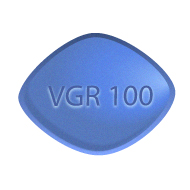
Just several decades ago, men were completely unarmed and could not fend off the symptoms of aging, prostatitis, and other diseases that brought with them erectile dysfunction. Before the arrival of Viagra, there were no effective means of treating the issue. In 1998, the world changed and flipped on its head. Viagra was released. In 2000s a bunch of other similar drugs followed. The following decade alone brought to the light highly effective drugs namely Cialis and Levitra.

The solution was highly effective and expensive. At some point, only chosen ones were able to use these drugs regularly. However, the reign of branded drugs ended at the beginning of 2010s when many other manufacturers were allowed to create copies of these drugs and distribute them in countries where patents were originally issued. The world finally got accustomed with scientific names of branded drugs. We learned that Viagra is essentially sildenafil, Cialis is tadalafil, and Levitra is vardenafil.
Many other large pharmaceutical companies from India, Turkey, and China were waiting for a perfect moment to enter Western markets where the term “generic” had just started to become a common buzz word in the industry. Today, many pharmacies sell generic versions of commercially successful drugs and allow men suffering from erectile dysfunction to have an effective solution against the issue.
How Can You Treat/Avoid Erectile Dysfunction with the Help of Smart Canadian Pharmacy? Let’s talk about 5 most obvious ways how this company helps men not only in North America, but all over the world.
#1. Bringing generics to a wider audience of customers.
Generics are still treated as grade-B drugs. Huge brands try to compromise the success of generics by conducting aggressive marketing campaigns and claiming that many generics are fakes. However, the vast majority of drugs that are sold in the western world have to undergo various tests conducted by official governmental structures like FDA. All generics that are officially sold on the Canadian or American soil are certified and completely safe just as they are effective.
Canadian Pharmacy wants to bring a rich assortment of generics to a wider audience of customers in order to promote better competition in the industry as well as provide its clients with enough information on various generic drugs. This means that men all over the world can be informed about effective PDE5-inhibitors like sildenafil and enjoy their accessibility.
#2. Ensuring that there are options.
It is highly important to have various way to choose the most effective way of treating erectile dysfunction. One of the issues with the market previously was that many men were limited in terms of choosing and had to purchase branded overpriced versions of drugs. This not only made the very treatment process quite limited in terms of versatility due to smaller dosages per pill and other limitations, but made the treatment itself completely unaffordable for some men.
Smart Canadian Pharmacy offers opportunities to all customers. You can choose from a very wide selection of products and prices in order to find the most perfect balance between prices and quality. At the same time, you will have an opportunity to find drugs that are perfectly dosed. If you need a stronger medication that will allow you to increase the dosage up to 50mg of sildenafil per intake, you can just purchase a generic drug that offers you such pills.
#3. Having an access to various drugs.
While Canadian Pharmacy is well-known for pushing various erectile dysfunction treatment drugs, we also our customers with an ability to choose from an assortment of complementary drugs that may help in treating a more complex problem that erectile dysfunction alone. Very often, ED is only a single symptom of a much more concerning issue. In many scenarios, this symptom accompanies benign prostate hyperplasia, various problems with blood vessel system (namely, arterial hypertension), and other serious health issues.
Drugs like tadalafil can help in treating both BPH and ED. You can pick up a bunch of supplements that will help in treating specific health issues while not conflicting with PDE5 inhibitors which are effective anti-ED drugs. A rich catalogue of additional generics is what makes erectile dysfunction treatable in a complex of measures that address health issues on a larger scale.
#4. Lowering prices across the market.
One of the core purposes of Canadian Pharmacy is promoting healthier pricing in the industry. The very arrival of generics allowed many patients to use efficient drugs for a much lower price. Drugs finally became accessible to a wider audience and brands were forced to compete in a freer market where the price is dictated by competition. Generics make the market healthier, allow a wider audience of customers to vote with their wallets, and change the very shape of the industry.
Having a more flexible and larger audience of customers is very important. Alongside our philosophical belief that we make the world a better place for many men, there is a very obvious mercantile motive behind our desire to create a larger market. With more potential customers, the size of the market and its profits grow exponentially. Offering better and cheaper products is better for the whole industry and negatively affects only huge corporations.
#5. Providing an effective way of treatment.
Many treatment options that were accessible previously were highly inefficient. Yes, there are certain aphrodisiacs that may mildly affect your sexual arouse. There are also drugs that can be efficient at treating erectile dysfunction to a certain degree. However, only PDE5 inhibitors like sildenafil and tadalafil are truly effective at treating the condition well. This means that we need to offer to our customers the most efficient way of treatment which we do.
We offer a wider variety of drugs that contain various active ingredients like sildenafil and tadalafil. Our visitors can choose from a catalogue that contains generic versions of the most effective erectile dysfunction treatment drugs.