Archive for the 'Allergies' Category

Can Sinusitis Cause Dizziness?

Friday, April 30th, 2010 No Commented
Under: Allergies

In a short and non-descriptive sense, yes – sinusitis can cause dizziness. How? Of course you already know that sinusitis is the inflammation of the nasal passages preventing you from discharging as well as promoting build-up of mucus. Whether chronic or acute, most cases usually originate from one of the three major causes; fungus infection, common colds and allergies. But what causes dizziness? Simple, the fluid blockage caused by sinus problems can be enough to affect your ears, causing vertigo or imbalance.

Most individuals tend to experience vertigo in the early morning after they first wake up. This along with the combinations like facial pain and throbbing headaches can be very troublesome. Other symptoms that may join the fray (adding more to your misery) may include; coughing, reduced sense of taste and smell, nausea, ear pain and even fatigue. Symptoms may sometimes be solitary but for most times they appear in two or even more combinations.

Sinusitis dizziness is not a very serious condition and light to moderate care will even be enough in handling the problem. But it does require care nonetheless. Setting the problem aside to fester can cause it to become worse (even complicated in some instances). Since the dizziness is caused by the inflammation of your nasal passages taking the necessary medications will ease dizziness as well as all the other symptoms.

When talking about treatment there are basically two avenues of relief that you will be able to count on – herbal or conventional options. Conventional methods will usually give you relief when you need it the most and can be very effective in taking care of the condition. The problem is that aside from delivering relief, they may also deliver something else; side effects. Side effects of sinus medications like drowsiness, nausea or upset stomach are very tolerable of course, but they will still affect you one way or another.

Herbal alternatives on the other hand offers you relief by working with your body’s natural immune system, meaning; no side effects, making them a better option as compared to conventional medication. But even with this fact, you will still need to practice care as not all herbal remedies will suit you. Some herbs may contain compounds that you are allergic to which can worsen the situation even further. Sinusitis dizziness can also be treated with the use of herbs.

Dizziness along with all the other symptoms can be easily taken care of, as long as you are willing to take the necessary steps. With proper knowledge and information, you will be able to find effective treatment methods that will handle the problem safely. If you suspect that you may have sinusitis, learn as much as you can about the condition first, then the right steps to handle it. This will help clear that cloggy nose of yours in no time.

Alternatives For Allergies

Sunday, April 4th, 2010 one Commented
Under: Allergies

Spring has sprung. The birds are chirping, the flowers growing, and the gentle “achoo” of allergy season is here. If you are a seasonal, chronic or environmental allergy sufferer, acupuncture and Chinese herbs might be the key you are missing to resolve or lessen your symptoms. Allergies arise from a misplaced immunity. Acupuncture naturally boosts your immunity. If you are sick of the amount of money you are spending on over-the-counter medication, acupuncture looks at the root of the problem as well as the symptoms that can arise. Many dislike OTC drugs simply due to side effects such as drowsiness or ineffectiveness.

When you visit your acupuncturist let them know when your allergies began. Did the allergies start when you were young? Did they start after a few stressful years in college? or perhaps after some other combination of life changes? Other useful information is finding out if you get frequent colds and flus or if you have related conditions such as asthma, wheezing, etc.? Additionally, seemingly unrelated information (which is very related) such as stress levels, quality of sleep, and dietary issues that might contribute to allergies – and your Oriental Medicine practitioner will most likely ask.

Consider trying acupuncture for allergies several months before the season hits you. This will help build up your immune system. Your practitioner may also recommend Chinese herbs. If you are a year-round sufferer, you can begin treatment at any time. If you didn’t get a chance to prepare your immune system, acupuncture is great to relieve nasal congestion, itchy eyes, and other allergy symptoms. You’ll be amazed that if you come in with a stuffy nose, you’ll walk out being able to smell the flowers.

Best of all you will be able to enjoy the season and breathe a little easier.

Basics of Metal Allergy

Wednesday, March 17th, 2010 No Commented
Under: Allergies

Metal allergy refers to a type of hypersensitivity reaction of the body against metal substances. One of the most common types of metal allergy is skin allergy against nickel especially in women who are using cheap jewelries that are made from nickel or with high nickel alloy. It has been said that 10 percent of the population unknowingly suffer from some sort of metal allergy. This cell-mediated type of hypersensitivity reaction can irritate the skin, causing rashes, eczema and inflammation with every close contact with a metal allergen.

Orthopedic patients who have implants in them may suffer from metallic allergies in one way or the other and may manifest the same signs and symptoms of cell mediated hypersensitivity reaction. These manifestations will only stop when the implants made of metal are removed.

Back in the Victorian era, the aristocratic women of Europe were fond of white creams to make their faces powdery white. This back then was trend of beauty and refinement. However, this powder caused poisoning because the powder itself was made of lead. For women who used this on themselves who had suffered from lead poisoning also suffered severe cases of metal allergy from using lead.

Metal undergo a process called corrosion. Corrosion is a process of metal deterioration, gnawing away layers of metal from the metals surface. Rusting is the most common type of corrosion that leave no visible marks on the metal surface.

When two kinds of metal are in close contact with each other, or when these metals are subjected to a friction, these metals corrode more easily. In patients who have undergone total hip replacement friction takes place upon moving. The site where there friction may occur between two different metals is the taper junction. It is during corrosion that metal allergies take place.

Another factor that facilitates the process of corrosion of the metal is when the piece of metal is divided into small particles. These particles then corrode more easily when they fuse with other metal substances. The byproducts of corrosion may enter the circulation that may cause metallic toxicity such as cobalt and chrome.

The history of determining the type of metal allergy id detected through tests to determine the type of metal allergen. It is through a test called patch testing that metallic salts are mixed with non allergenic ointments to be placed on the skin and be tested for 48 hours. It is a simple and inexpensive, however, the implications of the test may not be enough to precisely determine the main cause of allergy. Several medical experts believe that that the test is not accurate when it comes to studying the development of allergies in patients with artificial implants made of metal. This test, however, can detect common metal allergies such as cobalt, nickel, mercury, silver, lead, chromate and other metallic alloys.

Whenever a positive response comes up that implicates metal allergy, it is necessary to be given detailed information regarding the specific type of allergy that came out positive. You should stay away from any type of allergen or an further contact with them. To make sure that you do not ingest or apply anything that has metal that you are allergic to, it is a good idea to read the ingredients and substances labels carefully. Using barriers like gloves if and when its possible can decrease your exposure to allergies as well. Finally, in any diagnostic procedure that is invasive, inform your physician immediately before these procedures are done.

How to Avoid Springtime Allergies

Sunday, March 7th, 2010 No Commented
Under: Allergies

Spring is a beautiful time during the year and most of us can’t wait for sunshine and flowers after the long, cold winter. However, if you have deal with allergies, the season might be downright miserable time for you.

There is a world of spring allergens, which are literally in the air! Allergy sufferers may be sensitive to pollen, mold, dust, and pet dander too. However, you can significantly decrease your symptoms and sometimes eliminate them altogether. Find out how!

While at home, it is advisable to keep your home’s doors and windows closed. Although it is not possible to completely seal off your home from outside, don’t be tempted to open the windows to let “fresh” air in if you are prone to allergies. Also, if you dust your home regularly, ensure that you wear a mask while dusting. You should limit your outdoor activity, especially early in the morning as the pollen counts are high between 5 am to almost 10 am. Don’t forget to take Vitamin C supplements during the spring season and invest in a good quality air filter.

If you’ve been careful and followed all these precautions but still experience allergies and sinus problems, it is time to meet a doctor. There are a variety of medicines available, such as, antihistamines, nasal steroid spray, nasal antihistamine sprays, leukotrienes inhibitors, decongestants, which will help reduce or block allergy symptoms. For cases, which are harder to treat, allergy evaluation and immunotherapy is an effective option.

Allergy Evaluation: Allergies are caused due to a host of ear, nose and throat symptoms. Your doctor can help determine the specific allergens, which cause the symptoms and treat it accordingly. RAST blood work, which is a method using your blood sample and skin testing are common means to determine allergies.

Allergy Immunotherapy: If you choose immunotherapy to treat your allergies, it helps build blocking antibodies, reduce the allergic response and help in complete elimination of the allergies. Normally, shots or oral drops are used. It reduces the need for injections and frequent clinic visits too.
Mexican pharmacy blog

Respiratory Allergies Symptoms and Causes

Friday, March 5th, 2010 No Commented
Under: Allergies

What are respiratory allergies? We must have all asked this question sometimes. We are all effected in one way or another, whether it is summer or we are cleaning our basements. These type of allergic reactions are those that affect the organs and the airways that help us to breathe. In this article, I will be sharing with you some specific symptoms and causes of this sensitive condition.

The thing with people with allergies is that they are overly sensitive to certain things that most people don’t have a problem with. This would include pollen from plants, mold, dust, cockroaches and food.

When a person that is sensitive comes in contact with what causes them to be sensitive, the allergen, the immune system releases a large amount of a chemical called histamine. A large amount of this histamine causes tissue swelling or inflammation or the tightening of muscles.

Symptoms:

Some people are allergic to different things. One person may be allergic to pollen, somebody else may be sensitive to something else.

1 ) Itchiness
2 ) Watery or red eyes
3 ) Coughing
4 ) Sneezing
5 ) Stuffiness in the nose
6 ) Shortness of breath
7 ) Wheezing
8 ) Airways that are constricted and swollen (in extreme cases – called anaphylactic shock)

Common Allergies That Affect The Respiratory System:

1) Hay Fever – This affects many people all over the world. Hay fever usually happens in the summer from pollen such as from the grass or even flowers.

2) Food and Drug Allergies – You can get this situations from eating such things such as fish and shellfish. You will usually develop an upset stomach or even a skin reaction and breathing problems. Medications can also cause some problems. Sometimes, you may develop a reaction if you eat peanuts, milk or eggs.

3) Insect Allergies – Insects such as cockroaches is another major cause of problems. This usually takes place in cities. It also affects children in big urban cities. Bees stings for example can be very dangerous to overly sensitive people.

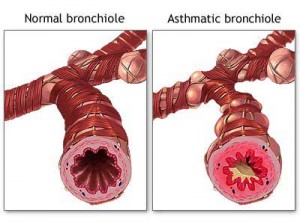
4) Allergic Asthma – Asthma is a fast growing disease all over the country. This problem is a major cause of hospital admission for children each year.

Causes Of Respiratory Allergies:

1) Family history
2) Exposure to air pollution
3) Exposed to some workplace substances
4) Second hand smoke
5) Some health conditions – If you had infections when you were a child growing up

Treatment:

The best way to avoid an attack is to prevent the allergen. Not always easy to do at times. You could place pets in another room where you are not in all the times. You should also make sure to regularly clean your home, so that you do not have a build up of dust. Also, make sure you do not spend a lot of time being in damp areas. This will definitely expose you to mold. If the problem gets worse, make sure to see your doctor or pharmacist.

Toddler Allergies

Thursday, March 4th, 2010 No Commented
Under: Allergies

Allergies in toddlers and small children are a growing problem for parents and children alike. A recent poll of parents from an association of ear, nose and throat doctors indicated that parent’s primary concern for dealing with their child’s allergies is “giving them medications“. They are worried that their child may face years of having to ingest medication to deal with their allergic symptoms which may eventually lead to side-effects. More than 50% of the parents polled also commented that they wish their doctor could give them non-medication alternatives or recommendations as part of their child’s treatment.

Fortunately, there are a few steps a parent may take to ease their child’s allergy symptoms while at home.

  • Be more cognizant of potential indoor pollutants and their relation to allergy symptoms. Look for patterns of symptoms within hours of an event or potential allergy trigger being introduced into the indoor environment.
  • Limit the use of all aerosol and other strong household cleaners. Chemicals which are sprayed from an aerosol can or hand sprayer are common allergy triggers. Consider using household cleaners and chemicals which are sold as allergy-proof and non-toxic. Apply the solutions directly to a clean cloth instead of spraying to limit airborne particles from invading the indoor environment. Use liquid-based furniture polishes applied directly to a polishing cloth in lieu of aerosol products.
  • Controlling the airborne particles in the indoor environment can make the greatest impact on allergy related symptoms. Many allergy triggers are in the form of a particulate which can become airborne easily only to be breathed in by a small child. A toddler or infant can breathe in over one hundred cubic feet of air each minute. Every cubic foot of air may contain thousands of potential allergy pollutants. The allergy pollutants which fall below 10 microns in size will stay in the lungs for the body to process. When an infant or toddler breathes in too many microscopic particles, they may start to exhibit respiratory symptoms such as allergies or asthma.
  • Use only true HEPA (high efficient particulate air) purifiers and vacuum. The vacuum is the most effective allergy prevention device available and vacuum which do not utilize HEPA filtration should be immediately replaced. Do not use ionizing or ozone producing devices in a small room occupied by a child with severe allergies or asthma.

Understanding the methods and technologies available to control these airborne pollutants in the home can help transform the home environment into an allergy-free haven for any allergy sufferer.

Page 2 of 212