Archive for December, 2009

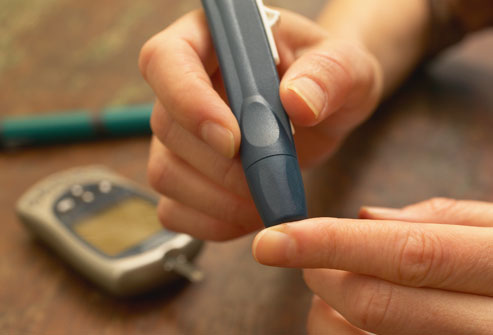
Diabetes and Exercise

Saturday, December 12th, 2009 No Commented
Under: Diabetes

Almost twenty-one million people in the US are living with diabetes and an estimated 6.2 million of these people don’t know that they have diabetes because they are undiagnosed.People with diabetes, on average, have medical expenditures that are 2.3 times higher than non-diabetics, according to the American Diabetes Association. Another study in Population Health Management estimates that diabetes is costing our nation $218 billion dollars in health care every year. Yet, most diabetes cases are preventable or reversible through exercise, weight loss, and healthy living.

I find myself wondering. What if the 6.2 million people who were undiagnosed knew they had diabetes? Or the estimated 57 million Americans with Pre-Diabetes were educated on how they could mange their health and avoid becoming a Type 2 Diabetic?

Being diagnosed as Pre-Diabetic does not mean that Type 2 diabetes is inevitable. If you lose weight and increase your physical activity, you can prevent or delay diabetes and even return your blood glucose levels to normal (ACSM 2006). (See sidebar for diabetes terms defined)

This is a very important point that many people do not understand – if you exercise and lose weight you can prevent or delay diabetes.

Do you know the signs of diabetes?Take a look around you. Do you see any signs of diabetes in your friends and family right now? (See sidebar for common signs of diabetes) It is very possible that there are people that are diabetic (or will become diabetic) around you every day. The Center for Disease Control and Prevention estimates that one in three Americans may develop diabetes in their lifetime. Those statistics are staggering and PREVENTABLE for most.

What about Type 2 diabetics that have been diagnosed? What if we educated them that through diet and exercise they could reduce their medication or eliminate it? What would this do for our health care crisis? I know that we’d first have to break through many myths, magic solutions, and limiting beliefs. The pharmaceutical companies won’t be happy with me letting this secret out either. But, what the heck, our health care system is in a crisis! Our Nation is sick! There, I said it. So let’s get down to the business of taking some personal responsibility for our health.

Many of you who are trying to understand diabetes and take responsibility for your health immediately have several questions:

  • Should you cut out sugar?
  • Is your weight putting you at risk?
  • If you are skinny, you don’t have to worry, right?
  • Can exercise and diet really help YOU?
  • How do I control blood sugar levels?

And then there are the issues that you might not even know to ask about:

  • Having diabetes for more than five years can increase your likelihood of developing cardiovascular disease
  • Regular exercise can make you more sensitive to insulin, which can reduce medication dosages

First, let’s talk about insulin, the prime medication that keeps diabetics functioning and then you can see the answers clearly to your questions.

How does insulin work? Insulin is the main hormone that controls the entry of blood sugar from the blood stream into the cells of the body to be used as energy. How does exercise influence the insulin hormone? Exercise has an insulin-like effect on the body. When exercising, your muscles require a steady flow of sugar to keep contracting and keep you moving. Exercise increases the rate at which your muscles take up the sugar from your blood stream; so exercise acts the same as insulin by emptying the excess sugar in your blood stream into your muscles. This action, therefore, lowers your blood sugar. One twenty minute walk a day can lower glucose levels by twenty points.
Diabetes and Insulin Resistance
Here is a great example to explain insulin’s function in your body. Think of insulin as a bus for a moment. Glucose (sugar) is the passenger. There are two types of diabetics. Type 1 diabetics manufacture no insulin (or have no bus), which, according to the Center for Disease Control, is 5% – 10% of all diagnosed cases. The second type (Type 2), have insulin resistance, which means the bus is there, but it is not picking up passengers and, there are less buses running the route. According to the Center for Disease Control, Type 2 diabetes accounts for 90%-95% of all diagnosed cases.

When you exercise, your muscles work harder than usual and require more fuel than usual; so your muscles send out their own buses to pick up the sugar in the bloodstream and carry it back to the muscles. Working muscles take over for insulin and (for Type 2 diabetics) they can even show the buses (insulin) how to work again (pick up passengers).

Exercising has many benefits for a diabetic. It increases glucose uptake by the cells, improves insulin sensitivity by improving glucose metabolism and reduces the risk of cardiovascular disease. Reduction of blood glucose levels improves insulin sensitivity by making it more effective. Exercise may reduce dosage requirements or need for medication and improve the ability to lose and/ or maintain body weight if combined with an intuitive diet. (See sidebar for Safe Exercise Check List)

There are many popular myths about diabetes. Here are a few that I hear often.

Myth #1 - Diabetics can’t eat sugar or sweets and the only reason they have diabetes is because they ate too much sugar. Yes, simple carbohydrates or sweets do raise your blood glucose levels but if you eat them in moderation and make them part of your meal plan, you can safely eat an occasional sweet

Myth #2 – If I’m skinny I’m fine. Diabetes is only a disease that obese people get.
Not completely true, 20% of people with Type 2 Diabetes are slim. Yes, being obese does put you at risk for Type 2 Diabetes, high blood pressure and high cholesterol. The key thing to remember is that there is not an atypical “diabetes” body type, genetic trait, race, age or gender. Type 2 diabetes is caused by lifestyle choices and diabetes is a disease to take seriously.

Myth #3 – There is no natural remedy for Diabetes. If I take insulin or insulin sensitivity drugs I can continue with my same lifestyle choices and be alright. Well there is a natural remedy, it is called exercise and balanced eating. You can keep a tight control on diabetes by monitoring your glucose levels, combining exercise with balanced eating, or use medication.

Myth #4 – Well I’m only borderline and 170 mg/dl blood sugar reading is normal for me. You may feel normal being a diabetic but high glucose levels are not safe. There is no such thing as borderline. You either are a diabetic or you are not a diabetic. This is a serious disease that requires you to take personal responsibility for your body. There is serious health complications associated with diabetes, especially when you are stressing your body with high blood sugar levels. You have to start to make lifestyle changes so that you can live a quality life over the long term.

Myth #5 – Exercise! What can that do for me? Blah! Blah! Healthy Lifestyle Blah! Yeah, Yeah, I know. The American Diabetic Association recommends 150 minutes of exercise a week. This is exercise of 20-60 minutes, in continuous sessions, 3-5 times a week. The Diabetes Prevention Study revealed that exercising for a total of two hours a week can reduce the risk of developing diabetes by 50%, that can be as little as 20 minutes, 6 days a week. Take a short, ten minute walk before and after work and you can prevent diabetes or lower your glucose levels.

The fact is, over 90% of diabetes cases are preventable and can be maintained with some natural remedies such as exercising, healthy eating, and/or combined with low doses of medication without tapping into our health care system to the tune of $218 billion. Start gradually and exercise a little everyday until you build up to the recommended guidelines. Eat a balanced, healthy diet and lose the all or nothing approach. Get educated about your disease, determine what your beliefs are about diabetes and make lifestyle changes starting today. (See sidebar Want to Learn More)

Diabetes is serious but you can do something about it!

Side Bars:

Diabetes Terms Defined
Type 1 = Auto immune disease that destroys insulin producing cells in the pancreas. The body cannot manufacture its own insulin because the beta cells of the pancreas that are responsible for insulin production are destroyed. About 5-10% of all diagnosed cases (CDC 2005)

Type 2 = body loses its sensitivity to insulin so the body’s cells are unable to utilize insulin properly (also knows as insulin resistance or adult onset diabetes). About 90% – 95% of all diagnosed cases (CDC 2005)

Pre-Diabetes = If you have a fasting plasma glucose test (FPG) and your levels are 100 mg/dl to 125 mg/dl you are diagnosed as showing signs of becoming a diabetic unless you make some lifestyle changes

Gestational Diabetes = When pregnancy hormones interfere with the mothers insulin, causing glucose levels to rise. This is a form of insulin resistance that in most cases ends with the birth of the child.

Metabolic Syndrome = A combination of medical disorders that increases the risk factors of developing cardiovascular disease, obesity, hypertension, low high-density lipoprotein (HDL), high cholesterol levels and elevated plasma triglyceride levels.

Hypoglycemic = abnormally low blood sugar levels which could be caused by excessive insulin, or your diet. Signs would be: trembling or shakiness, nervousness, rapid heart beat, increased sweating, headache, impaired concentration or attentiveness, unconsciousness and coma

Hyperglycemic = abnormally high blood sugar levels. Signs would be: frequent urination, great thirst, nausea, abdominal pain, dry skin, disorientation, labored breathing, and drowsiness.

Do you know the signs of diabetes? Some very telltale signs include:

  • frequent thirst, hunger and urination
  • weight loss
  • fatigue
  • crankiness
  • frequent infections
  • blurred vision
  • cuts/ bruises that are slow to heal
  • tingling and numbness in hands and feet
  • recurring skin, gum and bladder infections

Safe Exercise Check List

  • Get physician clearance before starting any exercise program
  • Test your blood glucose level before exercise, immediately after exercise, and again two hours after exercise
  • Follow general guidelines for a safe exercise session; warm-up, cool-down, stretch, adhere to an intensity of Type 1 (3 to 5 RPE) and Type 2 (3 to 6/7 RPE), drink plenty of water
  • Wear well-fitting, well cushioned, supportive shoes
  • Wear polyester or cotton polyester socks so that your feet stay dry and minimize trauma to the foot
  • Avoid strenuous, high-impact or static activity unless specifically approved by your doctor
  • Carry a carbohydrate snack with you of 10-15 grams of carbohydrate
  • Wear identification that tells others you have diabetes in case of a hypoglycemic response
  • Know and monitor signs of exercise induced hypoglycemia
  • Do not exercise if <90 mg/dl or >250 mg/ dl blood glucose levels or if you have ketones in your urine
  • If you have autonomic neuropathy, peripheral neuropathy, neuropathy, retinopathy or any other related conditions to diabetes, you must get a doctors approval before starting an exercise program. These conditions require specific and strict guidelines.
  • Exercise with a partner until you know your response to exercise
  • Always check your feet before and after exercise for lesions
  • Drink plenty of water. A good rule is to take a mouthful or two at least every fifteen minutes

http://ezinearticles.com/?expert=Kimberly_Searl

Osteoarthritis Pain Management

Friday, December 11th, 2009 No Commented
Under: Arthritis, Pain Management

Millions of people suffer with osteoarthritis pain and many spend their later years in chronic pain because of osteoarthritis, believing painkillers to be the only solution. So can sufferers expect an improved quality of life and at least reduce their osteoarthritis pain or will they to just have to knuckle down and make the best of it.
Osteoarthritis treatment
Advice from the medical profession varies so much. One GP can be an angel sent from heaven and another can be a complete waste of time. I have personally spoken to hundreds of people who have been suffering with osteoarthritis pain and some say the doctors are marvelous and others just throw away lines like, it’s just wear and tear, it’s your age, there’s nothing you can do but take pain killers.

Since I am not a doctor nor am I willing to stand in judgment I have to believe that most doctors are diligent hard working, caring people, who are doing their best to cope with a massive workload and they just don’t know all the answers. None of us knows all the answers but I believe we are all free to look for alternative ways to improve our own situation, especially where our health is concerned.

I am happy to tell you that my own father is alive and well and looking like emulating his father who reached the grand age of 93. Unfortunately Dad is going to reach that age with all his original parts. When he was in his mid fifties he had a painful calcium spur on his shoulder. His doctor told him he had too much calcium in his blood. They would do keyhole surgery and take the spur off but he must cut down on calcium.

Even then with my limited knowledge of alternative therapies and remedies I knew this was the opposite of the truth. I said Dad, you have too little calcium in your blood, not too much and its leaching what it needs from your bones. But my Dad comes from a generation who believe the doctor knows everything about the human body and is one of the few people in society that cannot be questioned. Believe it or not his bank manager is another. Well he cut down his already low calcium intake despite my advising him to supplement his diet with Calcium, Magnesium and Vitamin D for maximum absorption. By 65 he was the recipient of two new knees and since they were done 6 months apart he hardly walked for best part of his retirement year. And do you know Dad is eternally grateful for the wonderful job the doctors have done even though he fully expects to have them done again when 10 years has passed. And he still thinks he’s got too much calcium in his blood.

I guess what I am saying is, you are your own doctor first and foremost. Nobody knows how your body feels like you do. If you took a supplement for a month or six weeks and it made no difference you may have wasted a few pounds but you could just stop taking it, it certainly won’t hurt you. But what if it did make a difference, then you’d feel the benefit and be glad to pay for it, wouldn’t you? Only do buy a decent one, you get what you pay for. I pay 40GBP a month for my supplement regime, I have done for years and it has been worth every penny.

So eat right and take supplements. A lot of older people just don’t feel like cooking a meal, especially if they are on their own and so the quality of the building blocks they give the bodies to repair itself is often poor. Their circulation system is not what it used to be so the goodness they do get doesn’t get to the parts that need it.

The lymphatic system is the wonderful mechanism that keeps our bodies clean right from a cellular level but as we get older and especially if movement becomes painful the whole system slows down. This can leave toxins in the body and as they build up a downward spiral begins. More pain, less desire to exercise, less lymphatic drainage, more toxins. Where toxins are left in the joints they can crystalize and exacerbate the problem.

It is important for osteoarthritis patients to get exercise although they don’t always feel like it and often they really can’t manage it. The goal is to keep the joints mobile and functioning properly. Regular exercise also wards off muscle loss and may be key to managing osteoarthritis pain. Patients should consult with a physical therapist or qualified personal trainer which they would find at a good fitness centre. They will always tell them to check first with the doctor before starting a fitness program and that is good advice.

One therapy I like to use myself and to recommend to our customers is a powerful electric massage that was discovered 60 years ago and has been used all over the world in hospitals and clinics and in hundreds of thousands of private homes too. Because it aids the circulation and increases the throughput of blood in the muscle being massaged it acts as a kind of passive exercise. We have been in the health business for 14 years and mainly providing condition specific herbs and vitamin supplements but when we discovered this massage it revolutionized our business because of how quickly the benefits to customers were felt.

I have personally applied it to hundreds of people some of whom could hardly walk without extreme pain. In a 20 minute massage many have experienced amazing relief. Some have even cried as they told me it is years since they felt that good. Cycloidal Massage definitely works for at least 80% of osteoarthritis sufferers. It improves the circulation, relaxes the muscles around the joints and enhances lymphatic drainage.

There are a couple of drawbacks though. First it can be a little difficult for a person alone to treat themselves with the hand unit that I use to demonstrate the therapy. Even when there is a couple they tend to do it every day at first but eventually the partner starts to find it tiresome. Of course it loses its benefit if it is not done regularly and the benefits are cumulative if it is. At least 20 minutes three times a day is recommended.

That’s why I use Cycloidal Massage built into a rise and recline type chair. Many of my clients find it hard to get out of an ordinary chair so there are extra reasons for the rise and reline. The chair has multiple massage motors built into the electrically adjustable footstool, the seat and the back so the whole body can be treated while the client watches TV. The second drawback is the cost of course, they certainly don’t suit every budget. Unfortunately cheaper alternatives do not contain the deeply penetrating therapy that Cycloidal Massage provides. It’s probably best to take advantage of trial massage at home and then measure the benefits against the cost. Some customers who could not afford the cash price have found it is worth the 25 pounds a week or so that it costs to buy on a finance deal.

Cycloidal Massage Therapy is available in most countries and I am sure there will be someone willing to demonstrate the benefits without obligation wherever the need arises. Certainly I have traveled the length and breadth of Northern England and Southern Scotland doing just that. Our reputation is very important to us, so we do a massage in the customers home and only if they feel a marked difference in the affected parts to we recommend a purchase.

A marked difference means greatly reduced pain or even no pain at all, together with increased functionality and movement in the affected joints.

There are lots of things a sufferer can do to help themselves at least to manage the pain of osteoarthritis. To remain dependent on the medical profession is a matter of choice but my philosophy is help yourself first, seek expert medical advice as soon as symptoms are noticed in order to maintain good health and if the problem does reach crisis level don’t just go straight for the surgery. Carefully think through alternatives, look at what others have tried successfully and try it yourself.
Robert Channings founded Aglow Health in 1992 to supply condition specific herbal remedies and vitamin supplements. The business did well and became Aglow Health UK Limited in January 2001. The supplements whilst good did not meet all the needs of our clients so we partnered with one of the worlds largest manufacturers of therapy beds and chairs becoming agents for Northern England. They have been producing Cycloidal Massage Therapy Equipment for 60 years and have been building that therapy into Electrically Operated Beds and Chairs and other therapy equipment since 1970. All our therapy beds and chairs are manufactured in the UK.

Understanding the causes of diabetes

Friday, December 11th, 2009 No Commented
Under: Diabetes

Understanding the causes of diabetes is an important pre-requisite in controlling the disease. The pancreas produces a hormone, insulin, which enables the cells of the body to absorb glucose in order to convert it into energy. The condition of diabetes comes about when the pancreas does not produce enough insulin, or the body fails to properly utilise its own insulin, or both. Consequently, glucose accumulates in the blood and this can lead to various complications.

Acute Complications include diabetic ketoacidosis and hyperglycemia. Lack of adequate control of the disease may result in coma. Long-term complications include cardiovascular disease, several types of nerve damage, chronic kidney failure and retinal damage, which may eventually cause blindness. Microvascular damage may lead to erectile dysfunction and poor healing of wounds. The latter, especially of the feet, can result in gangrene, which may require amputation.

Diabetes is the most significant cause of blindness amongst non-elderly adults in the developed world. It is also the leading cause of non-traumatic amputation in adults.

Of the many known types of diabetes, the three main types are:

* Type 1 diabetes Here the body fails to produce insulin. Between five and ten per cent of diabetics have this type. Most of these take insulin injections. It appears to be triggered by an infection, mainly viral, where the beta cells, which make insulin, are destroyed. Other possible causes are exposure to chemical toxins in food and exposure as a baby to cow’s milk. Some individuals have inherited a susceptibility to these triggers. Type 1 is sometimes known as juvenile diabetes as it is usually diagnosed in those younger than 30.

* Type 2 diabetes This results from a resistance to insulin, where the body cells fail to respond to insulin properly. This is the type that most people diagnosed with diabetes have. Both types 1 and 2 are at least partly inherited, more so if both parents have type 2 diabetes.

* Gestational Diabetes Women who have high blood sugar levels during pregnancy, without ever having had diabetes before, are said to have gestational diabetes. About 4% of all pregnant women are affected. It may develop into type 2 or, rarely, type 1.

Less frequent causes of diabetes include:

  • Certain drugs, some of which are toxic to the beta cells of the pancreas, and others which cause a rise in the blood sugar level.
  • Any disease or illness which causes damage or inflammation to the pancreas, thereby affecting its ability to produce insulin.
  • Certain syndromes, such as Down’s, may cause a state of hyperglycemia, which could result in permanent diabetes.

The possibility of developing type 2 diabetes increases with:

  • physical inactivity
  • advancing age, and
  • obesity

Myths About the Causes of Diabetes

Diabetes is not caused by eating sweets or the wrong types of food. This may, however, result in obesity and a consequent development of type 2 diabetes.

Smaller and Lighter Breast Benefits

Friday, December 11th, 2009 No Commented
Under: Women's health

Carrying excessively huge breast is not always an advantage for most women. If you are one of those women who have oversized sagging breasts you know the discomfort and pain of carrying huge breasts. The unwanted attention and teasing is humiliating. The chronic back, shoulder and neck pain are so disturbing that it can affect the quality of your life. An effective breast reduction method can be very helpful because the benefits of smaller and lighter breasts can make your life better.

One of the benefits of smaller and lighter breasts is the freedom to wear the clothes you want to wear. You do not have to wear unattractive loose clothing just to make room for your excessively large breasts. You can wear attractive and beautiful clothing if you have smaller breasts.

Getting rid of the chronic shoulder, neck and back pain is one of the most important benefits of smaller and lighter breasts. The burden on your shoulder, neck and back in carrying huge breasts will be eliminated. It is a great relief and you will enjoy physical and sports activities without the pain and worries about your big breasts.

Of course one of the benefits of smaller and lighter breasts that will make a great difference in your life is the self-confidence that you look great and you can get rid of the uncomfortable feeling when people are staring on your huge breasts. People will start to look on your face and not on your huge breasts.

Imagine how great it is to enjoy the benefits of smaller and lighter breasts and improve the quality of your life. You will finally get rid of the unwanted attention and discomforts of carrying huge breasts. Of course it is best to find a safe and natural method of reducing your breast size to avoid the risks and side effects of surgery.

Page 2 of 212